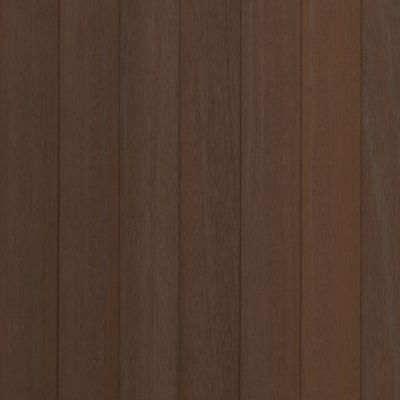
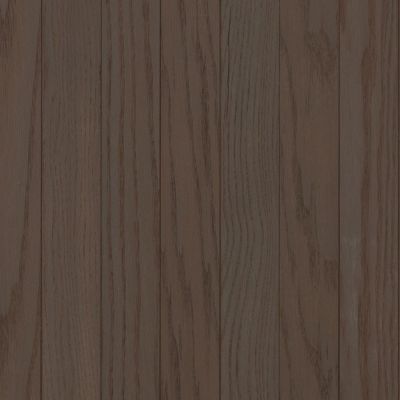
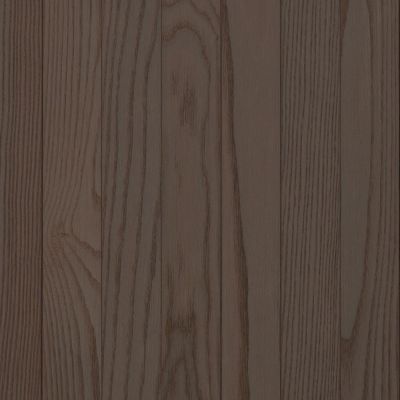
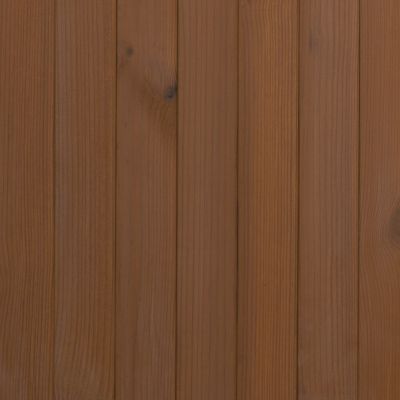

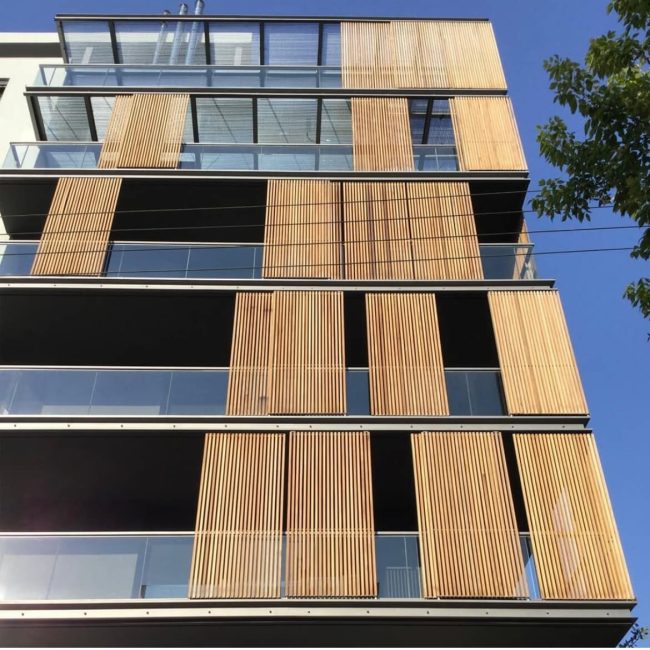
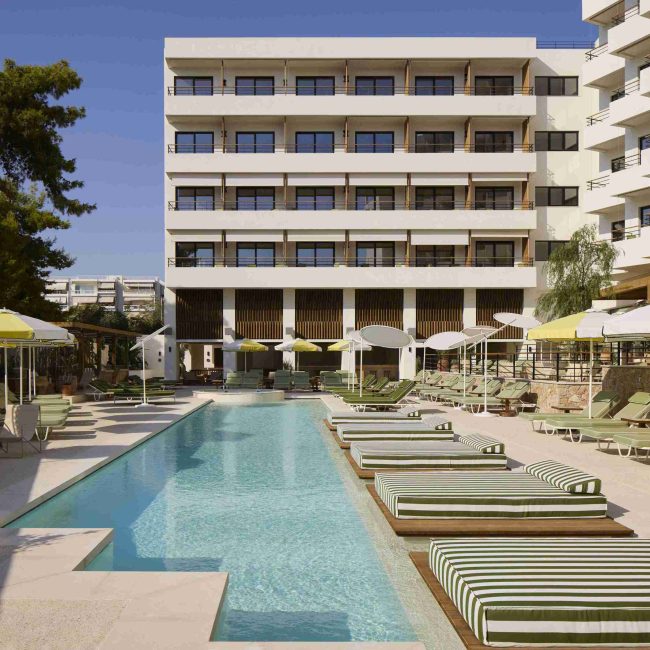
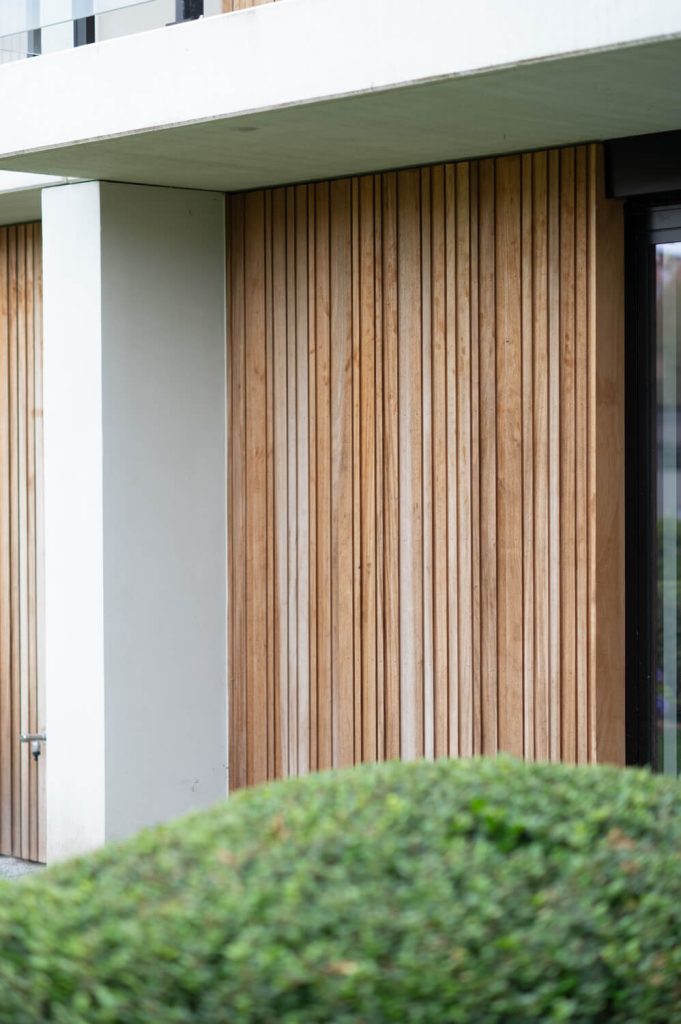
Recommended Products
We offer high quality timber for every construction and decorative need, with an emphasis on durability and sustainability.
Our Cases
Discover the durable wood varieties with guaranteed quality from Thermowood and LDCwood, which through heat treatment acquire high resistance to moisture and microorganisms, ideal for exterior construction and decoration.
Conveniently
ThermoWood® requires minimal maintenance.
Recyclable
Wood is a natural, biodegradable and recyclable material.
Natural
ThermoWood® is 100% natural, without resins and chemicals.
Efficient
The production and processing of wood is very energy efficient.
Sustainable
natural resources are extracted and used in an ecologically responsible way.
Certified
All LDCwood® products are FSC® PEFC or OLB certified.
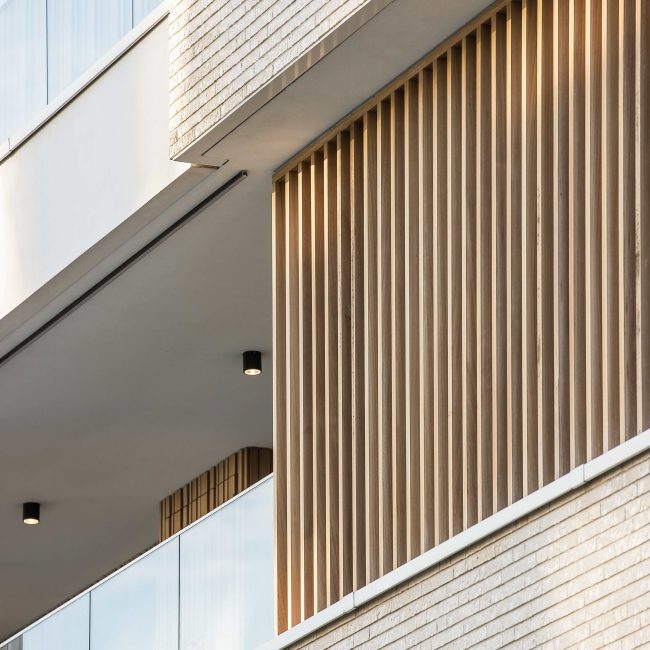
Our Applications
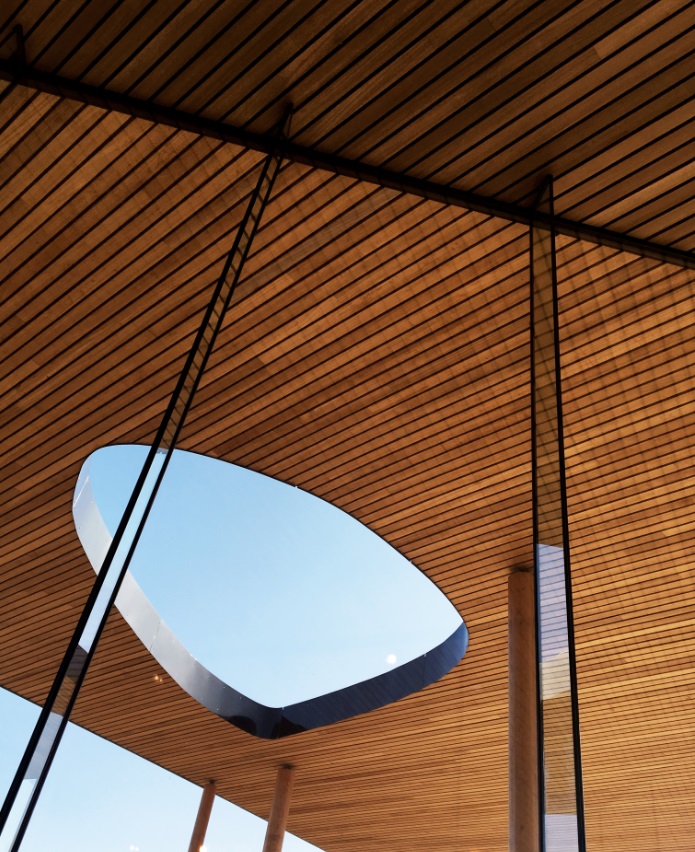
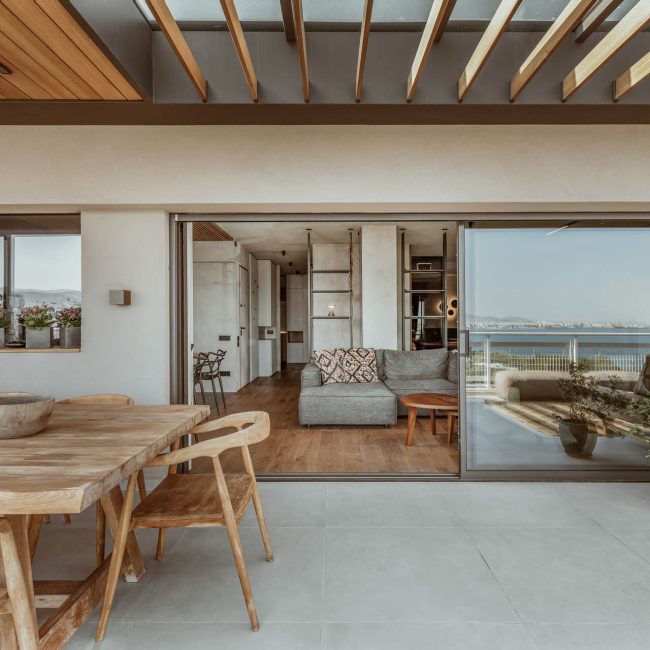
Our company's applications cover every need with quality solutions in cladding, decking, interior decoration (indoor) and outdoor constructions, combining durability and aesthetics.
What is ThermoWood® and the International ThermoWood® Association?
ThermoWood® is a registered trademark created by the International ThermoWood® Association. It defines the natural preservation process that turns wood into a durable product.
The International ThermoWood® Association was founded in 2000. Today, there are sixteen members from eight countries.
The ThermoWood® trademark defines wood products manufactured through a process developed in Finland. Members spread the underlying production method to ensure the best guarantee of quality for our various products.
Only members of the International ThermoWood® Association have the legal right to use the word ThermoWood® for thermally modified wood. The ITWA logo is an official quality control seal of the association.
How does thermally modified wood differ from kiln-dried wood?
Dryer wood is not thermally modified wood. It is simply dried in a kiln until it reaches a certain level of moisture content, so that it performs better in its final use. Kiln drying does not change the cellular structure of the wood like thermal modification does.
Thermal modification is a scientific process that changes the characteristics, chemical composition, structure and performance of wood at the cellular level. Thermally modified wood is superheated, at much higher temperatures than kiln-dried wood, in a highly controlled manner.
Is ThermoWood® a recent development?
No, thermal modification of wood appeared at the beginning of the 20th century, when a scientific study showed how thermal modification improved the properties of wood and enhanced its resistance to moisture. As of 2022, almost 250,000 m³ are produced annually.
Can you describe the production process?
The thermal modification of wood is carried out in industrial-scale facilities. The ThermoWood® process is suitable for both hard and softwoods and is always adapted to the type of wood used as raw material.
At the beginning of the process, the wood is transformed into bales, which are transported to the drying plant. During the heat treatment, the wood is protected by the use of steam, which also affects the permanent changes that take place in the wood.
What are the phases of the amendment process?
The ThermoWood® process can be divided into three main phases.
Phase 1: High temperature drying
The dryer is quickly heated to 100°C. The temperature is then gradually increased to the desired level. During this process, the wood is dried and its moisture content is reduced to 2%.
Phase 2: Thermal modification
After drying at a high temperature, the dryer is kept at a constant temperature and the actual modification takes place.
Phase 3: Cooling/preparation
During the last phase, the temperature in the dryer is reduced using a water spray system. When the temperature is low enough, the moisture content of the wood is increased using water and steam to improve its workability and dimensional stability. After the cooling phase, the moisture content of ThermoWood® products is 4 to 7%.
Are there any chemical components involved in the modification process?
No, ThermoWood® is a wood material that is produced using only natural elements: heat and steam. Thermal modification improves the technical properties of the wood and ThermoWood® is non-toxic, dimensionally stable, rot resistant and free of resins. It can be used indoors or outdoors, in any climate.
What is the difference between Thermo-S and Thermo-D?
Genuine ThermoWood® is available in two standard processing grades, Thermo-S and Thermo-D.
The letter "S" in "Thermo-S" stands for "stability". Along with appearance, stability is a key feature in end-use applications of products in this treatment category.
The letter 'D' in 'Thermo-D' stands for 'durability'. Along with appearance, biological resistance is a key characteristic in end-use applications of products in this treatment category.
In LDCwood®, the standard is Thermo-D, which is the highest classification, suitable for exterior cladding and flooring applications as well as interior applications.
What is the durability of ThermoWood®?
In each fibre, the durability class is improved from IV or III to I and II, which implies a lifetime of more than 25 years for class I (EN 350-1).
Does ThermoWood® turn grey?
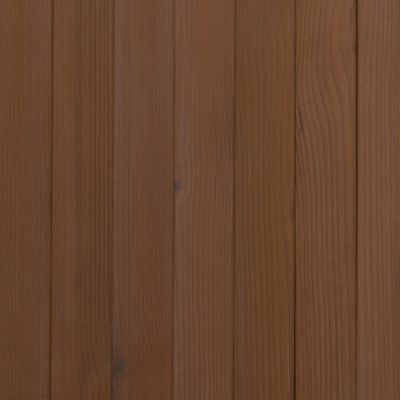
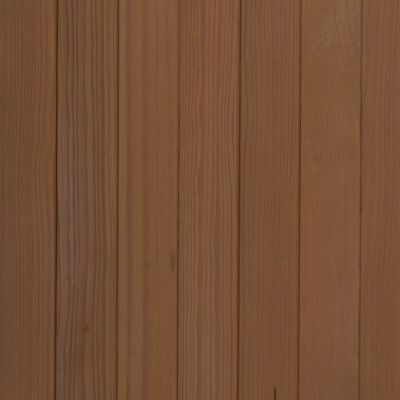
The thermal modification process gives ThermoWood® a characteristic brown colour. However, over time, the brown colour begins to fade due to weathering. As this happens, the wood will begin to turn grey gradually. The color can vary from platinum silver to a lighter rustic tone, depending on the construction and the climate conditions it has been exposed to.
Keep in mind that wood is a natural material, so any changes in color may be uneven. Each board ages in its own way, and different sides of the building's facade will also age differently depending on exposure to sun and rain.
How can I prevent ThermoWood® from turning grey?
If you wish to retain the original colour of the thermally modified wood, ThermoWood® can be treated with various water-soluble coatings or oil. Contact us for more details on the options available.